Event Recap Videos in Dubai: What to Capture So the Content Lasts Beyond One Day
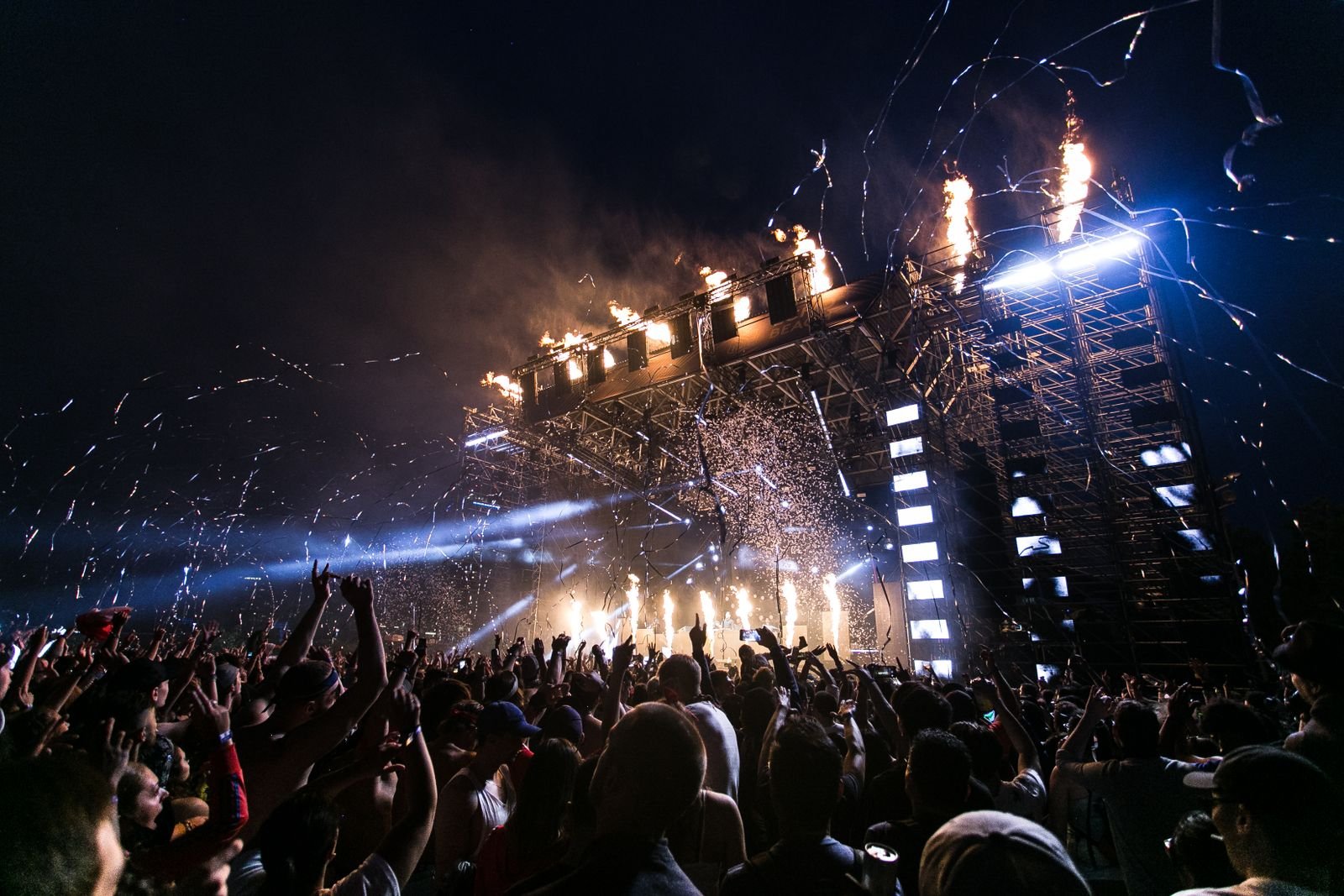
An event recap should do more than prove that the room was busy. We would use it to show what happened, why it mattered and what the organiser wants the audience to do next. That may be renewing sponsor interest, sharing useful speaker material or encouraging registrations for the next edition. The filming plan changes with that purpose, which is why we want the brief before the event day.
Agree the story before the doors open
We connect this work to our event coverage approach, where the creative brief and customer journey are considered together. The relevant service should shape the plan, rather than be added after the content is finished.
We ask for the event objective, audience, programme and list of deliverables. A public festival, a specialist conference and an internal celebration need different coverage. We identify the moments that explain the event and the people who can give them context. We also ask which sponsors, speakers or partners have specific coverage commitments.
The event programme needs to become a production plan. Our video production brief guide explains how we would agree the purpose and deliverables before filming.
A programme is not a shot list. We turn the schedule into a plan that includes arrival, setup, key sessions, audience participation and closing moments. We mark what cannot be repeated. If a stage moment and an interview happen simultaneously, the organiser needs to understand the coverage trade-off or approve additional crew. That conversation is easier before the venue fills.
Record usable sound as well as attractive pictures
We would coordinate with the venue's technical team about audio access and test the arrangement. A visually strong speaker clip is much less useful if the words are unclear. We plan backup recording where appropriate and ask the organiser to identify who can authorise recording of presentations and performances. Not every session is automatically available for promotional reuse.
Interviews need their own location and timing. We look for a space where a short conversation can be recorded without interrupting the event. We prepare focused questions about what the participant learned, contributed or wants the audience to know. We avoid asking every speaker to repeat the same generic praise for the organiser.
Capture the experience without losing the substance
We want wide shots that establish the venue, medium shots that show interaction and close details that give the edit texture. Audience reactions are useful when they relate honestly to the moment shown. We also capture signage and contextual details so a viewer can understand which event they are watching. A recap should not rely entirely on music to create meaning.
Sponsor visibility needs planning rather than last-minute additions. We ask which logos, activations and partner moments belong in the agreed deliverables. The final edit should reflect actual participation and avoid suggesting endorsement that was not agreed. If different partners require separate versions, those versions need a clear scope and review process.
For the shorter clips used after the event, our guide to social media video production explains how to give each asset a distinct subject and next step.
Set realistic expectations for fast delivery
A same-day cut can be valuable, but it requires a defined length, available footage, editing resources and a person authorised to approve it. We would distinguish an immediate highlight from a more developed recap with interviews and graphics. Asking for both under one undefined deadline is a common source of rushed decisions.
We agree file formats, captions and versions for website, social channels and partner distribution. The main recap can lead viewers to the next event page, while individual answers can support later posts. We would retain a clear record of rights and permissions alongside the delivery, particularly where presentations, music or third-party material are included.
Judge the film by its next use
We would review whether the organiser used the assets in follow-up communications, whether sponsors received suitable material and whether viewers reached the intended registration or information page. The strongest recap gives the event an understandable story and leaves the organiser with assets that can continue useful conversations after the venue has been cleared.
Planning this work in Dubai
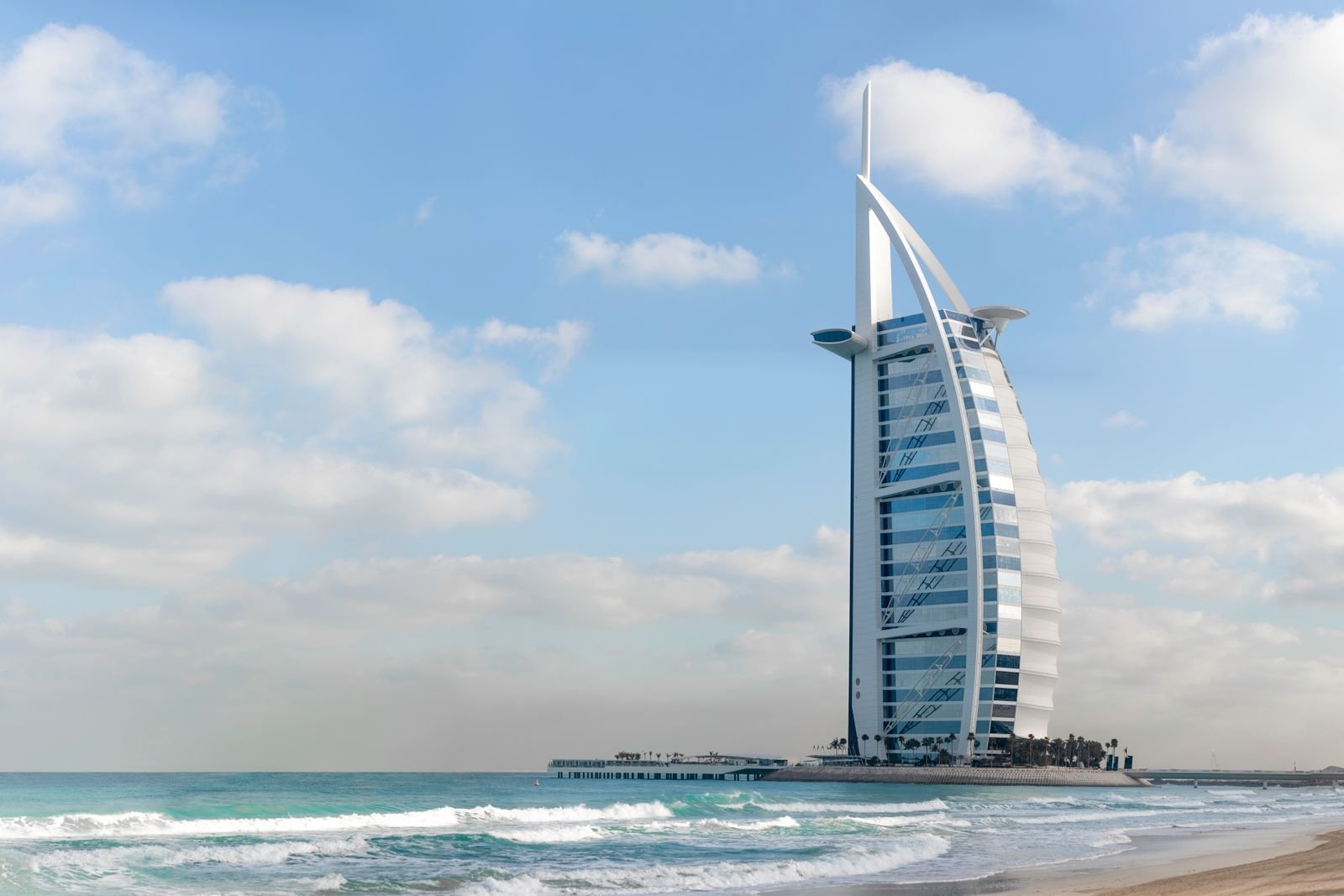
For a Dubai event, we would ask the organiser to identify the venue, programme and audiences who need different versions of the coverage. A local audience recap and a film intended for international partners may need different context. We would confirm loading access, crew movement, interview space and technical contacts before the event day. Sponsor commitments should be translated into a practical coverage list rather than left for the editor to infer from signage. If several activities happen in different areas, the organiser needs to agree which moments take priority. We would also ask who can approve an immediate highlight and whether the next registration or event page is ready. These details make the recap useful to the organiser's follow-up plan, not merely recognisable as a Dubai gathering.
Adapting the brief for Abu Dhabi
For an Abu Dhabi event, we would review the relationship between the venue, speaker schedule and the organiser's approval process. Some projects involve several partners, so we would ask who can approve names, logos and final messaging. The crew plan needs accurate access details and a technical contact for recording arrangements. We would also clarify whether attendees are local, travelling from elsewhere or joining through later digital coverage, because the recap needs enough context for its intended viewer. If several sessions overlap, the brief should define priority moments and any separate partner deliverables. We would prepare the follow-up destination before filming so the final invitation has somewhere useful to lead. The local plan is therefore about how this event operates, rather than assumptions about events across the emirate.
Adapting the brief for Fujairah
For a Fujairah event, we would plan the production visit around the venue's actual setup and the moments that cannot be repeated. We ask the organiser for precise crew access, an operational contact and the programme well before travel is arranged. If interviews are required, we would reserve a usable space and time rather than hope to find one between sessions. Outdoor elements need alternatives that the organiser can approve. We also ask how the recap will be shared with attendees, partners and people who could not attend, since each group may need different context. A well-prepared brief helps the crew capture the event's substance and leaves the organiser with material suited to its next communication. The city reference should describe the real event, not substitute for that planning.
Adapting the brief for Ras Al Khaimah
For a Ras Al Khaimah event, we would clarify whether coverage takes place at one venue or across several locations. Travel between settings, equipment access and speaker availability need to be reflected in the schedule. We ask which parts of the programme explain the event best and which partner commitments require specific coverage. If the event uses outdoor or activity spaces, the responsible operator should confirm suitable filming arrangements and alternatives. We would plan interview questions around the event's purpose rather than ask participants only to praise the location. The follow-up assets should give attendees and partners something useful to share, with an accurate route to the next edition or information page. This approach keeps the production tied to the event's real logistics and intended audience.
Let’s discuss the brief
At Creative Productions, we bring content, visual storytelling and conversion planning into the same conversation. If you are planning this work in Dubai, tell us about your project. Share the audience, the service or experience you want to explain, your timeframe and the next step you want the content to support. We can then discuss a practical scope based on that brief.