Social Media Video Production in Dubai: Plan One Shoot for Multiple Useful Assets
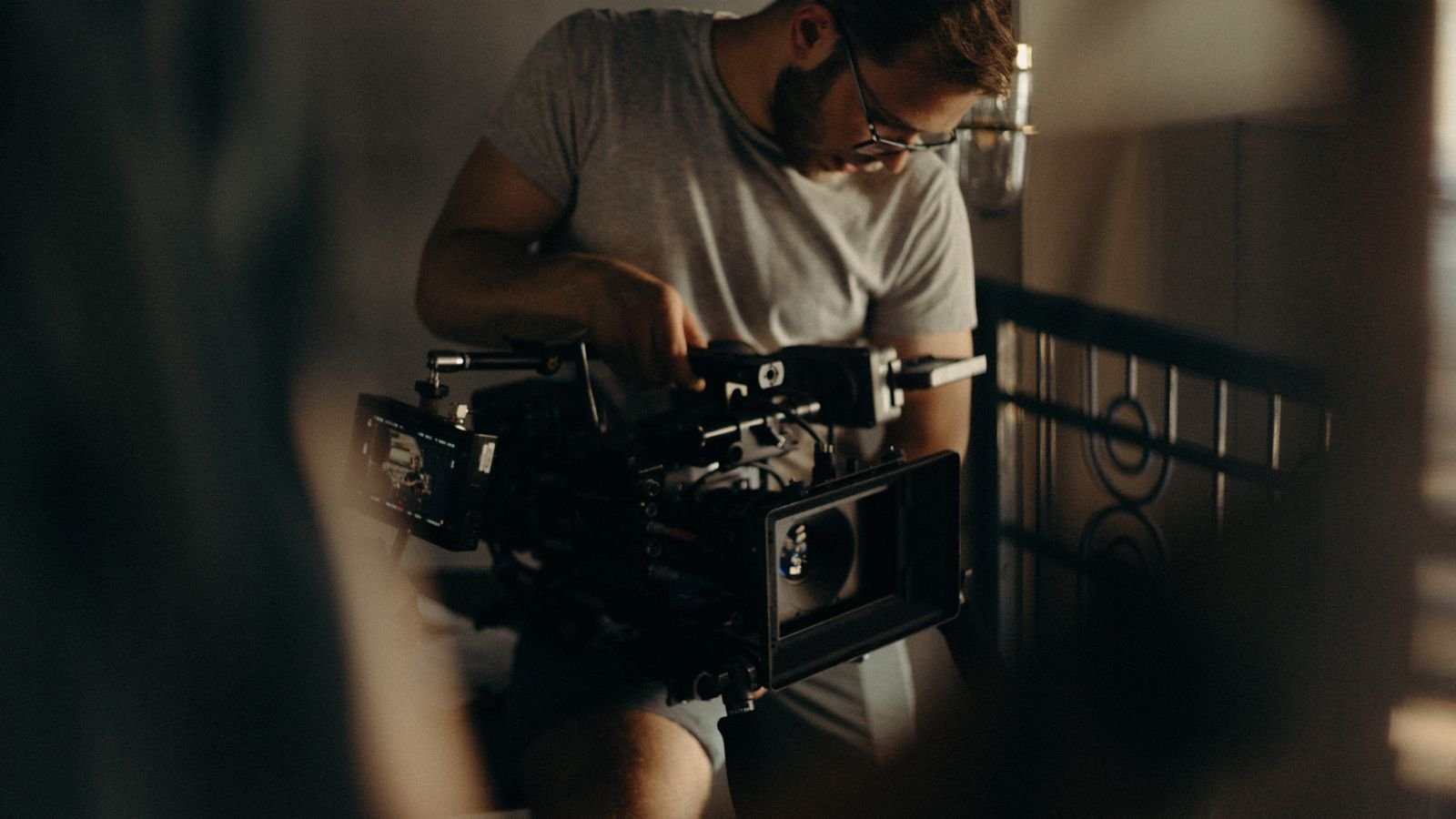
A productive social media shoot starts with the questions we want the finished clips to answer. We would rather plan several useful pieces than film continuously and hope the edit discovers a strategy afterwards. One organised session can support introductions, explanations and practical demonstrations when the brief gives each asset a role. The aim is a content library that feels connected without making every post look identical.
Choose repeatable themes with different purposes
We connect this work to our content and video production services, where the creative brief and customer journey are considered together. The relevant service should shape the plan, rather than be added after the content is finished.
We start by separating content that introduces the business from content that helps people assess its offer. A team introduction, a service explanation and an answer to a common question should not all use the same script. We would ask the business which topics matter to its audience and which can be explained honestly by the people available to film.
If the shoot covers a live occasion, our guide to event recap production explains how to plan the moments that cannot be repeated and the clips used afterwards.
Then we build a list of individual clips. Each needs a clear subject, opening and intended next step. Some should simply answer a question. Others may invite a visit to a relevant page or an enquiry. We avoid forcing every video into a sales pitch, because useful explanations also have a role in building familiarity with the business.
Batch the shoot around practical setups
We would group scenes by location, speaker and lighting arrangement. That reduces repeated setup while keeping the creative plan intact. Interviews need a quiet environment and sufficient time for natural answers. Demonstrations need appropriate preparation and someone who knows the process. We also capture supporting details that can help the edits explain what the speaker means.
The schedule should include breaks, checks and contingency. A long list of clips is not realistic if every one requires a separate setup. We would prioritise the most important assets and identify optional material. This gives the team a useful way to adapt when access, availability or the day's conditions change.
Plan for how people actually watch
We frame important action for the intended format and leave space for readable captions. The opening should tell the viewer what the clip is about without relying on a vague suspense line. We check that the sound is clear and that the message remains understandable when played silently. A strong idea can be lost if the words are difficult to hear or the text disappears too quickly.
We would use a consistent visual approach while allowing the subjects to vary. A calm explanation and a lively behind-the-scenes sequence need different pacing. Brand consistency should help people recognise the business, not prevent the editor from choosing the rhythm that suits the message. We also avoid adding effects that distract from an important demonstration.
To understand how the clips work after publication, our guide to social media marketing connects content to profile information, enquiries and useful reporting.
Define what counts as a separate deliverable
A new topic, a shorter cut and a different crop are not the same amount of work. We would list the agreed versions, caption languages and review stages in the proposal. One person should consolidate feedback. Factual corrections and changes to the creative direction should be identified separately so the team knows what each review is asking for.
Rights and future reuse matter too. We ask which channels the business intends to use and clarify music, participant permission and third-party material. The handover should make file names and purposes understandable. A content library becomes much more useful when the business can find the right asset without opening every export.
Let results guide the next shoot
We would review which subjects produce meaningful attention and relevant actions, then compare that with feedback from the business. A clip with modest reach may still answer a valuable sales question. We use those observations to refine the next brief. Good social media video production gives the business a sustainable way to communicate, rather than a folder of content with no clear reason to post it.
Planning this work in Dubai
For a Dubai production brief, we would check where the work will be filmed and who controls access to each space. A project at a client's premises has different practical requirements from filming across several locations. We ask about interview noise, participant availability, loading arrangements and who can approve changes on the day. If the concept includes recognisable public settings, the relevant filming arrangements must be confirmed for the actual plan. We would also clarify whether the business needs content for a local campaign or wider use, because language versions and usage rights may affect the scope. The schedule should be based on the real locations and deliverables. Naming Dubai in the brief does not settle those decisions, but accurate local logistics can make the production far more efficient.
Adapting the brief for Abu Dhabi
For an Abu Dhabi shoot, we would confirm the precise location rather than treat the emirate as a single production setting. Crew travel, access and the availability of participants belong in the schedule. We ask which scenes depend on a particular space and which can be captured at the client's premises. The client should identify an approval contact and clarify any location-specific requirements before equipment and people are booked. We would also discuss whether the final content needs Arabic, English or other versions based on the audience the business actually serves. The brief should allow time for those reviews. A practical local plan helps the production team use the shoot well while giving the client a realistic understanding of scope, preparation and delivery.
Adapting the brief for Fujairah
For a Fujairah production, we would prepare the filming visit around the people, processes and locations that support the message. A clear access plan matters because a missing participant or unprepared room can consume time intended for useful coverage. We ask the client to confirm the operational contact, location readiness and any conditions affecting outdoor scenes. Where the concept involves specialist activity, the responsible operator needs to approve the proposed setup. We also plan the full deliverable list before travel so we capture suitable framing and supporting details for each version. The local brief should explain what is specific to the actual shoot. We avoid assuming that a location alone makes the content distinctive when the story still needs evidence from the business.
Adapting the brief for Ras Al Khaimah
For a Ras Al Khaimah shoot, we would first establish whether the production uses a single controlled space or several settings. The answer affects travel, crew movement and how much coverage is realistic. We ask which people need to appear and arrange their availability alongside access to the location. If the concept includes outdoor or activity footage, we prepare alternatives and confirm the responsible operator's requirements. We also discuss the intended audience and final uses so the camera coverage supports the necessary edits. The local setting can be part of the creative, but it should not distract from explaining the offer. A well-prepared production brief gives the business a practical way to balance its story, available time and delivery expectations.
Let’s discuss the brief
At Creative Productions, we bring content, visual storytelling and conversion planning into the same conversation. If you are planning this work in Dubai, tell us about your project. Share the audience, the service or experience you want to explain, your timeframe and the next step you want the content to support. We can then discuss a practical scope based on that brief.