Tourism Reels in Dubai: A Shot List That Helps Viewers Plan Their Visit
A tourism reel should leave someone with more than a nice image of a destination. We would like the viewer to understand what the experience is, whom it suits and how to find the information needed to plan a visit. Short videos can do that when every shot has a purpose. The challenge is deciding which question to answer, rather than trying to compress a whole destination into a few seconds.
Give the reel one planning question
We connect this work to our tourism and hospitality content approach, where the creative brief and customer journey are considered together. The relevant service should shape the plan, rather than be added after the content is finished.
We begin with a specific viewer need. What can a family do in an afternoon? What does an organised experience involve? What should a first-time visitor check before booking? We choose the question with the operator and confirm the information that can be published. The opening should make the subject clear without promising access, pricing or availability that has not been verified.
To plan a larger library of short clips, our guide to social media video production explains how to batch production around meaningful content themes.
A location name alone is not a story. We want the viewer to understand the activity and the sequence. The first shot can establish the setting, but the following shots should add something: arrival, preparation, participation and the end of the experience. This helps the reel work as a small introduction rather than an unexplained collection of scenery.
Build a shot list with practical details
We would capture the approach to the experience, the meeting point where appropriate and the activity as it genuinely happens. We also collect details that answer common questions, such as what the operator provides or how the group is organised. These details must be checked with the operator. We avoid implying that a private arrangement, optional extra or staged demonstration is part of every booking.
Vertical framing needs planning from the start. Important action should remain visible when captions and interface elements appear. We would leave suitable space for readable text and capture a mix of wide context and closer details. A long landscape clip cropped after the shoot may lose the very feature the reel was meant to show.
Make the sound and words work together
We choose whether the story needs natural sound, a short spoken explanation or a caption-led edit. The choice depends on the subject. An operator explaining preparation may be more useful than music alone. We check that spoken information is clear and that captions preserve the meaning. The reel should still be understandable when someone watches without audio.
The text should be brief enough to read comfortably. We would move detailed prices, schedules and conditions to the appropriate destination rather than fill the screen with small print. We also avoid using unverified claims about popularity or exclusivity to manufacture urgency. A clear description of the experience is often the more persuasive opening.
Where the reel introduces a longer stay, our guide to resort content marketing helps connect the short introduction to a fuller booking story.
Keep the production respectful of the location
We ask the operator to confirm filming access, participant permission and any restrictions that apply to the selected setting. Public visibility does not automatically settle commercial filming permission. Activities involving water, heights or specialist equipment need the responsible operator's planning and approval. We would adapt the shot list to the conditions instead of treating the planned image as more important than the experience.
We also consider other visitors. A production should not obstruct access or record identifiable people unnecessarily. Staff demonstrations can explain a process without involving members of the public. These decisions belong in the brief so the crew knows how to work when the location is busy.
Lead to a useful next step
We would direct the viewer to current information about the experience or a clear enquiry route. We assess whether people reach that destination and ask relevant questions, while treating views as one part of the picture. A useful tourism reel makes an experience easier to imagine and gives the interested viewer a sensible way to plan what comes next.
Planning this work in Dubai
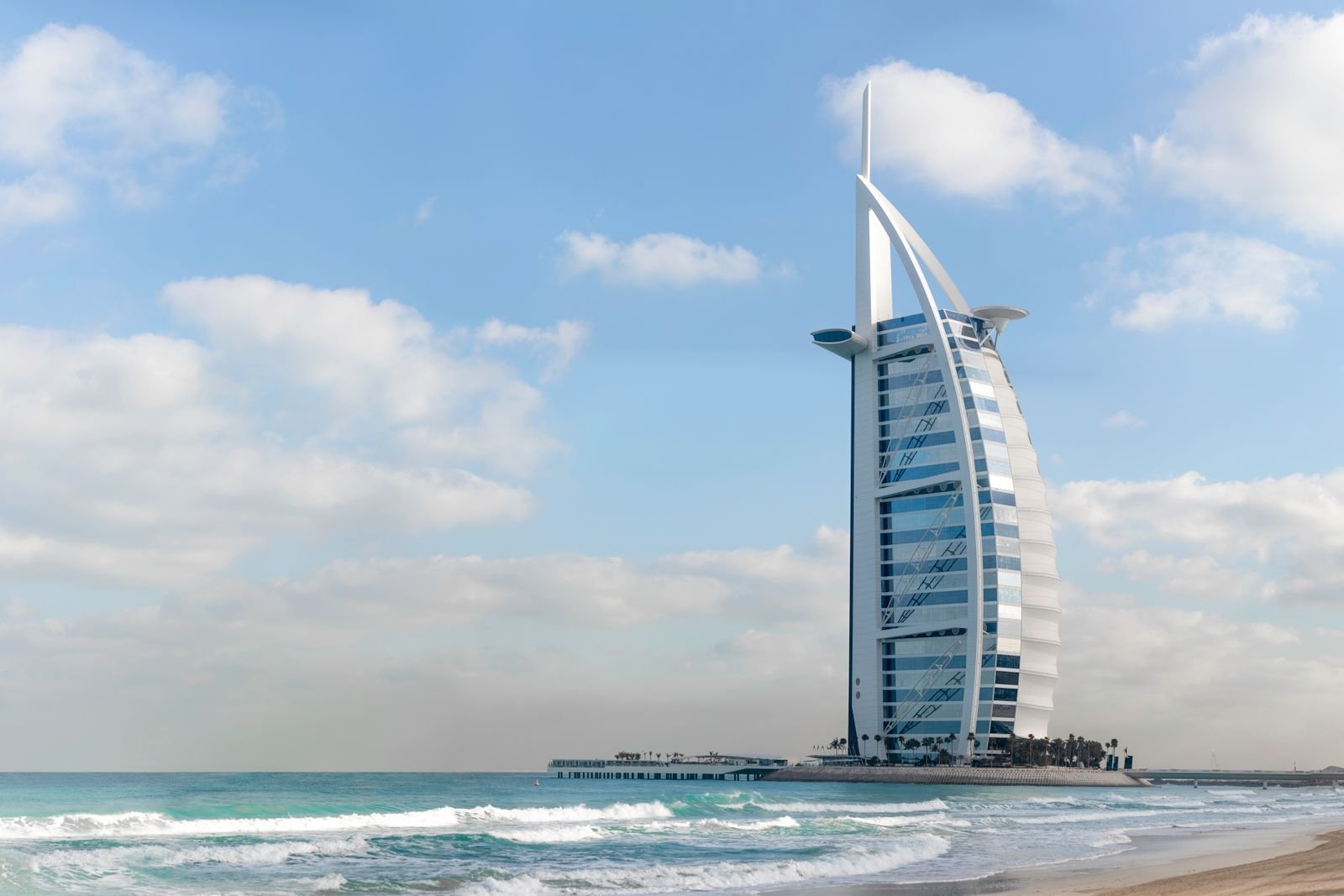
For a Dubai property or experience, we would establish whether the audience is planning a city itinerary, a short stay or a visit built around the property itself. The shot list should reflect that choice. If nearby experiences are part of the story, we check their relationship to the booking and avoid implying that separate attractions are included. We would ask the operator for accurate arrival information and current access arrangements before adding practical captions. A neighbourhood-led story can be useful when the location genuinely affects the stay, but it needs more than an unexplained skyline shot. We would also plan how room, dining and experience content connect to their own destinations. That helps viewers separate the atmosphere of Dubai from the specific experience they can reserve with the business.
Adapting the brief for Abu Dhabi
For an Abu Dhabi hospitality brief, we would clarify the actual setting before writing the story. A city stay, an island property and a wider emirate itinerary should not be presented as interchangeable. If the approved concept includes places such as Yas Island or Saadiyat Island, we check what is part of the property's offer and what requires a separate booking. We would ask the reservations team which arrival and itinerary questions need answering, then build the coverage around those questions. Staff should verify room types, access and activity conditions shown in the film. The aim is a useful introduction to the particular stay, with enough context to help someone continue planning. We avoid promising a complete Abu Dhabi experience from footage of one location.
Adapting the brief for Fujairah
For a Fujairah resort or tourism experience, we would separate a property-led stay from an itinerary that involves additional operators or locations. If the proposed story concerns the coast or a water-based activity, the business needs to confirm what it actually provides and which specialist arrangements apply. We would ask about arrival guidance, activity availability and the right contact for bookings before producing practical captions. Outdoor and water scenes also need suitable alternatives when conditions affect the planned footage. A relaxing visual should not hide the information a guest needs to choose the stay. We would connect the images to the specific room or experience represented and keep optional activities clearly identified. That gives the local content substance beyond a beach montage.
Adapting the brief for Ras Al Khaimah
For a Ras Al Khaimah hospitality campaign, we would ask whether the story centres on the property, an activity or a wider trip. A mountain-led concept and a waterside stay require different information, so the brief should specify the actual setting. We would ask the operator to verify travel guidance, meeting arrangements and which activities are included or separately booked. The production schedule should reflect access to the selected locations and the operation of the property. We would also plan distinct material for room selection and experience research where both matter to the guest. Rather than implying that every visitor wants the same trip, we use the approved offer to define the story. The destination page then supplies the current details the short film cannot carry.
Let’s discuss the brief
At Creative Productions, we bring content, visual storytelling and conversion planning into the same conversation. If you are planning this work in Dubai, tell us about your project. Share the audience, the service or experience you want to explain, your timeframe and the next step you want the content to support. We can then discuss a practical scope based on that brief.