Underwater Filming for Resorts in Dubai: What to Plan Before the Shoot
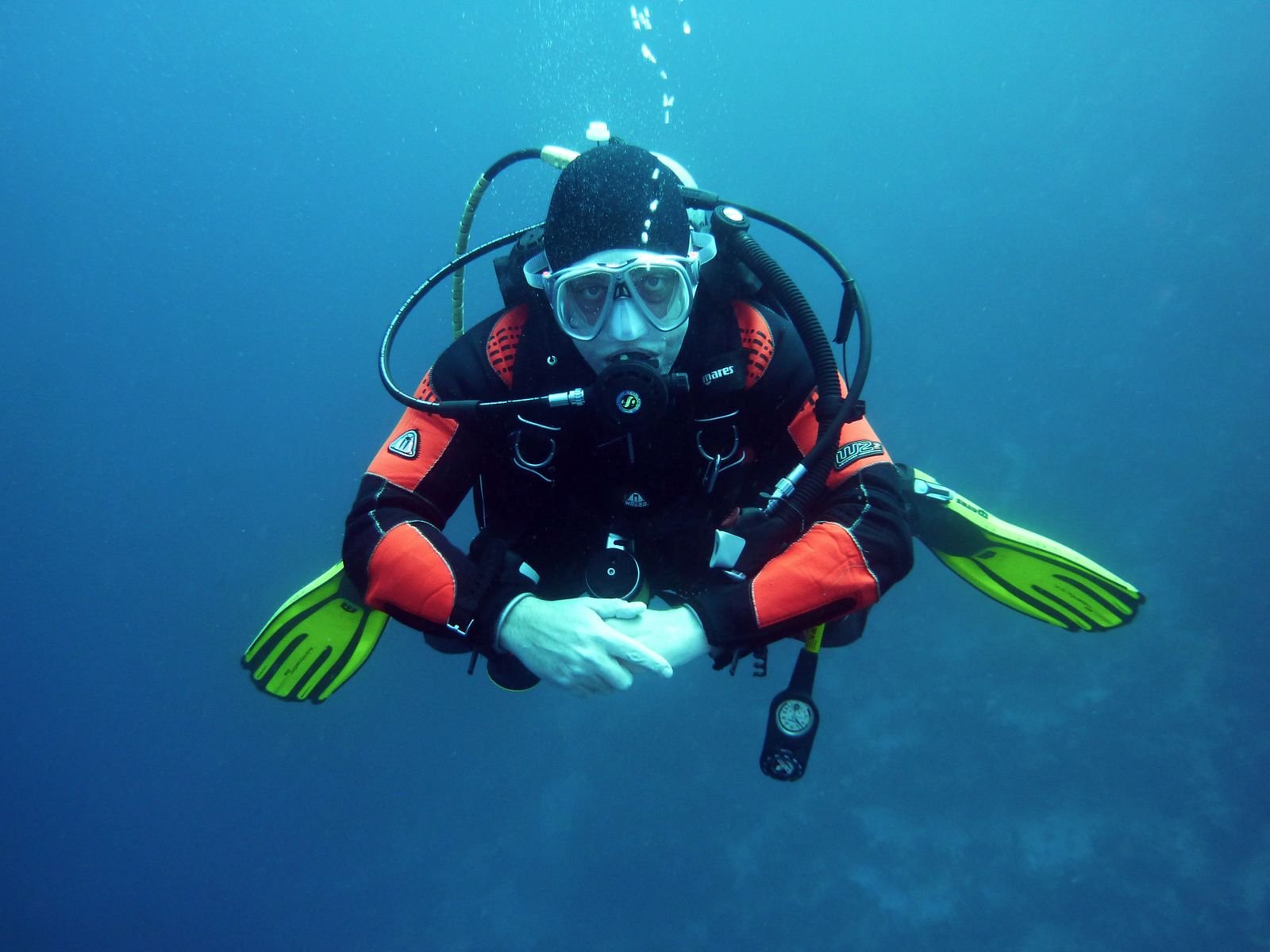
Underwater footage can reveal a part of a resort experience that ordinary photography misses. We would use it when the images help explain the place or the activity, rather than add it simply because it looks unusual. The brief needs a creative purpose, a suitable location and specialist planning. A beautiful underwater shot is only useful when it can be captured responsibly and represents the experience accurately.
Decide what the underwater sequence needs to communicate
We connect this work to our underwater filming and photography services, where the creative brief and customer journey are considered together. The relevant service should shape the plan, rather than be added after the content is finished.
We ask whether the story concerns a pool, a marine activity or the atmosphere around a water-based experience. Each requires different planning. A controlled pool sequence and an open-water shoot should not be treated as interchangeable. We would describe the desired image, its place in the final film and the participants involved before discussing equipment.
The underwater material should support the stay being sold. Our guide to resort content marketing explains how to give specialist footage a clear role in the guest journey.
We also ask how the footage will be used. A short website sequence, a vertical campaign and a still-image library may require different framing and coverage. We plan the relationship between above-water and underwater scenes so the viewer understands where the activity takes place. Without that context, striking images can imply an experience the property does not actually offer.
Assess the setting before committing to shots
We would arrange a location assessment with the appropriately qualified people responsible for the activity and filming. Access, visibility, depth, currents where relevant and operating arrangements influence what is practical. The assessment should determine whether the intended setup is suitable. We do not provide a universal safety recipe because the conditions and participants matter too much.
The production plan should identify responsibilities, communication arrangements and the authority to stop filming. Participants need a role appropriate to their ability and the setting. Specialist oversight should remain separate from the pressure to finish a shot. We would choose an alternative scene if the original idea is not appropriate on the day.
Match the equipment to the environment
Camera housings, lighting and handling arrangements need to suit the actual location. We would check equipment preparation with the specialist crew and plan how files and equipment will be managed afterwards. An underwater setup brings practical constraints that should be reflected in the schedule. A surface production timetable cannot simply be copied across.
We also plan the visual treatment carefully. Water conditions affect what can be recorded and how the footage looks. Colour correction should make the material understandable while remaining faithful to the scene. We avoid editing that presents an ordinary location as a different environment or exaggerates what a guest is likely to encounter.
Before booking the shoot, we would document the purpose and intended uses. Our video production brief guide sets out those practical decisions.
Respect people and the environment
We ask the property and operator to confirm filming permissions, participant consent and any environmental restrictions. Marine life should not be manipulated to create a more dramatic frame. We would keep the crew's creative choices within the approved operating arrangements. The intended campaign does not justify disturbing the setting the resort wants to celebrate.
Where guests appear, the permission discussion should cover the intended channels and duration of use. We can also work with approved participants or focus on the environment and activity details. The decision should be made during preproduction, rather than assuming everyone in the water can be included in advertising.
Deliver a story the resort can use honestly
We would provide the agreed edits and images with clear descriptions of the activity and location represented. Any caption about availability, inclusions or suitability needs the operator's confirmation. We also plan where the footage leads the viewer for current booking information. The result should help the resort show a distinctive experience while keeping its marketing promise connected to what guests can actually book.
Planning this work in Dubai
For a Dubai property or experience, we would establish whether the audience is planning a city itinerary, a short stay or a visit built around the property itself. The shot list should reflect that choice. If nearby experiences are part of the story, we check their relationship to the booking and avoid implying that separate attractions are included. We would ask the operator for accurate arrival information and current access arrangements before adding practical captions. A neighbourhood-led story can be useful when the location genuinely affects the stay, but it needs more than an unexplained skyline shot. We would also plan how room, dining and experience content connect to their own destinations. That helps viewers separate the atmosphere of Dubai from the specific experience they can reserve with the business.
Adapting the brief for Abu Dhabi
For an Abu Dhabi hospitality brief, we would clarify the actual setting before writing the story. A city stay, an island property and a wider emirate itinerary should not be presented as interchangeable. If the approved concept includes places such as Yas Island or Saadiyat Island, we check what is part of the property's offer and what requires a separate booking. We would ask the reservations team which arrival and itinerary questions need answering, then build the coverage around those questions. Staff should verify room types, access and activity conditions shown in the film. The aim is a useful introduction to the particular stay, with enough context to help someone continue planning. We avoid promising a complete Abu Dhabi experience from footage of one location.
Adapting the brief for Fujairah
For a Fujairah resort or tourism experience, we would separate a property-led stay from an itinerary that involves additional operators or locations. If the proposed story concerns the coast or a water-based activity, the business needs to confirm what it actually provides and which specialist arrangements apply. We would ask about arrival guidance, activity availability and the right contact for bookings before producing practical captions. Outdoor and water scenes also need suitable alternatives when conditions affect the planned footage. A relaxing visual should not hide the information a guest needs to choose the stay. We would connect the images to the specific room or experience represented and keep optional activities clearly identified. That gives the local content substance beyond a beach montage.
Adapting the brief for Ras Al Khaimah
For a Ras Al Khaimah hospitality campaign, we would ask whether the story centres on the property, an activity or a wider trip. A mountain-led concept and a waterside stay require different information, so the brief should specify the actual setting. We would ask the operator to verify travel guidance, meeting arrangements and which activities are included or separately booked. The production schedule should reflect access to the selected locations and the operation of the property. We would also plan distinct material for room selection and experience research where both matter to the guest. Rather than implying that every visitor wants the same trip, we use the approved offer to define the story. The destination page then supplies the current details the short film cannot carry.
Let’s discuss the brief
At Creative Productions, we bring content, visual storytelling and conversion planning into the same conversation. If you are planning this work in Dubai, tell us about your project. Share the audience, the service or experience you want to explain, your timeframe and the next step you want the content to support. We can then discuss a practical scope based on that brief.
Further reading
PADI.