Hotel Video Content in Dubai: Show the Experience Guests Are Actually Booking
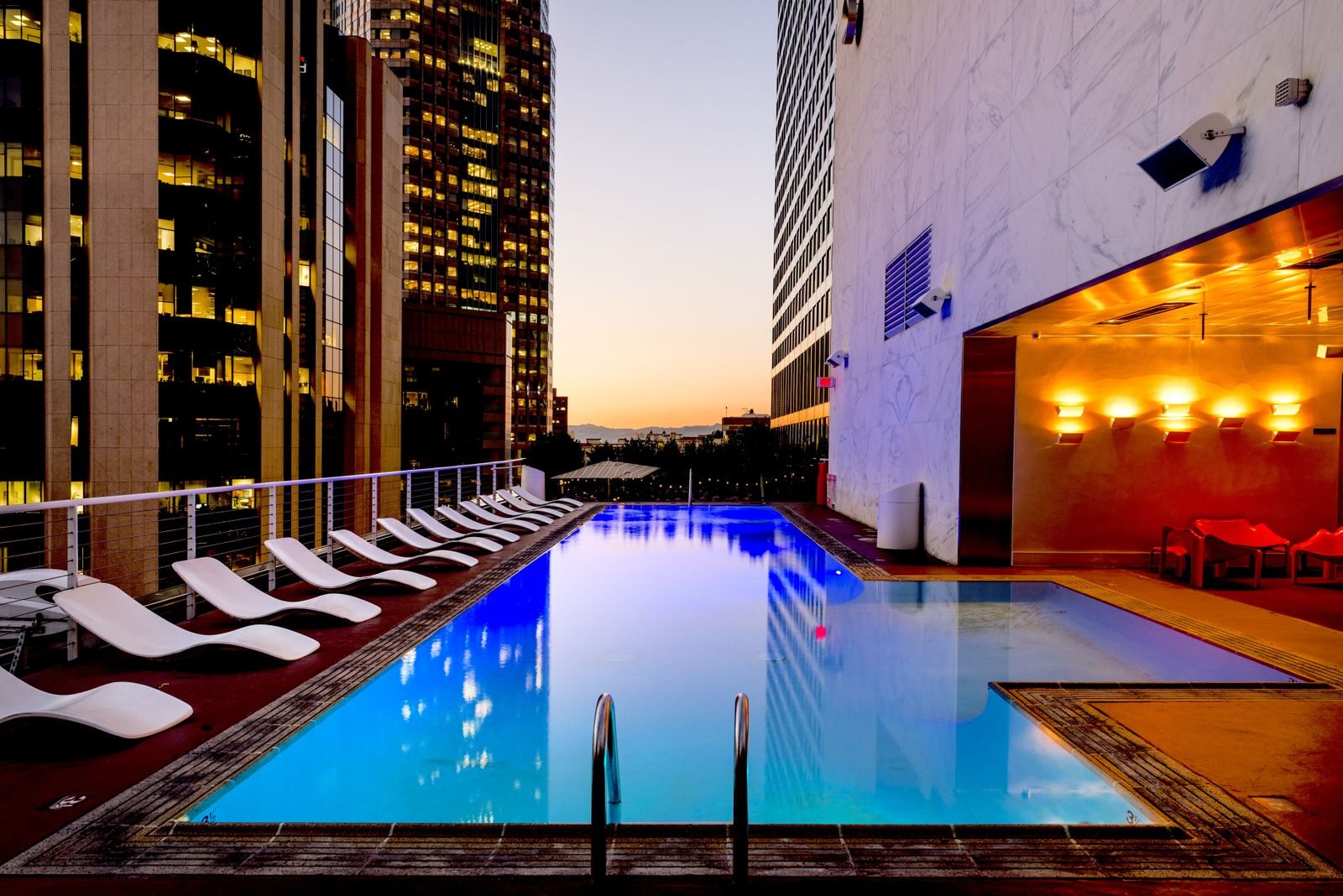
A hotel video can make every room look attractive and still leave a guest uncertain about what to book. We would build the strategy around the decisions guests actually face: which room suits them, what the stay includes and whether the experience fits their reason for travelling. The film should help them imagine a real visit, while the booking page gives them the details needed to choose.
Separate the guest journeys
We connect this work to our tourism and hospitality content approach, where the creative brief and customer journey are considered together. The relevant service should shape the plan, rather than be added after the content is finished.
We start by asking the hotel which stays it wants to support. A business visit, a family weekend and a celebration have different priorities. We would create a brief for each priority audience instead of expecting one hero film to answer every question. The same property can appear differently when the story focuses on convenience, shared activities or privacy.
If the property sells a broader leisure experience, our guide to resort content marketing shows how an itinerary can organise the story without obscuring booking details.
We ask the reservations team which questions delay bookings. Room configuration, access to facilities, dining arrangements and practical arrival information can all influence a decision. We use actual questions supplied by the property, rather than inventing assumptions about its guests. The content plan should make useful information easier to find.
Show the experience in a believable order
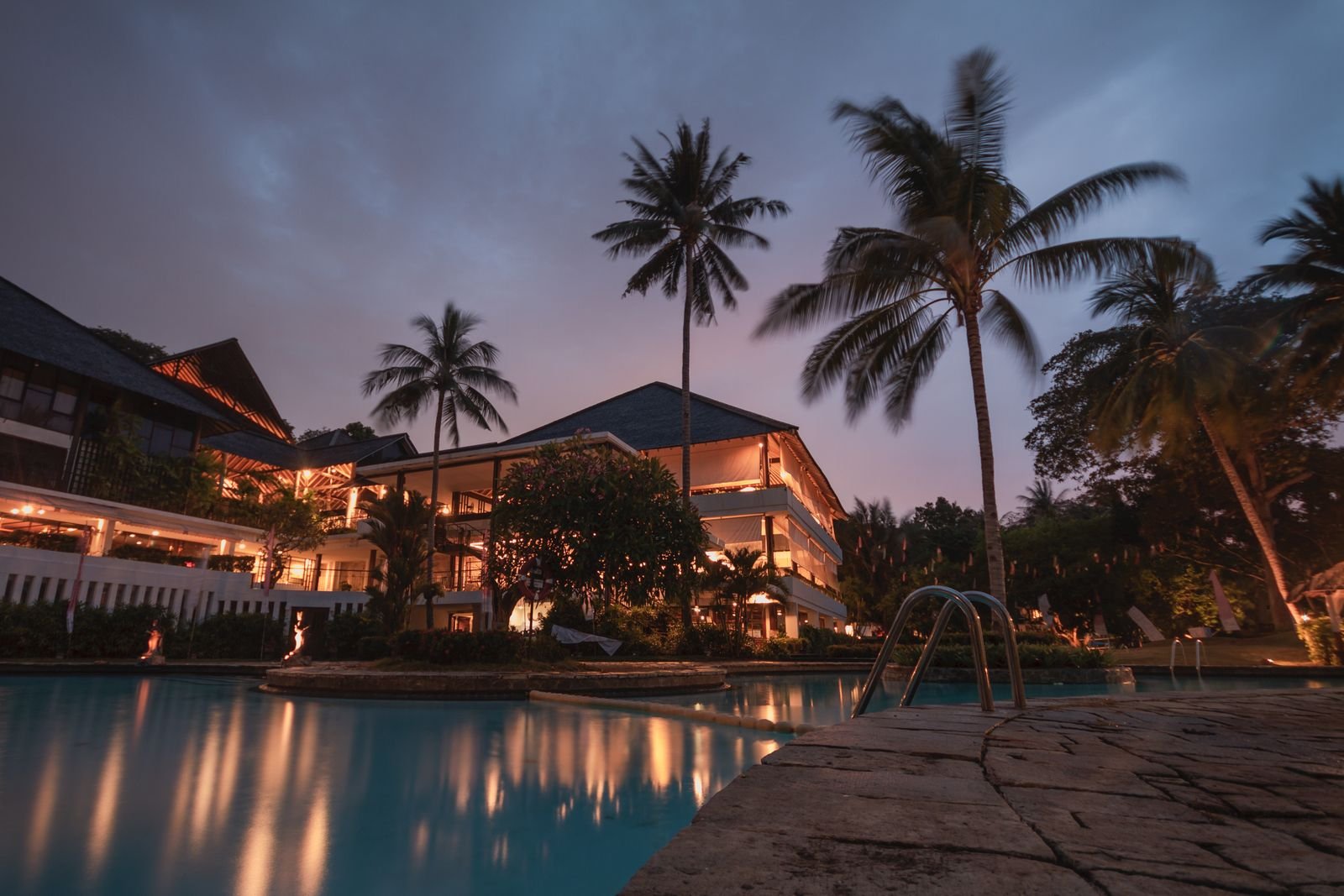
We would follow a guest's possible sequence from arrival to room, facilities and the next morning. That creates context for the images. A beautiful pool shot becomes more helpful when the viewer understands how it fits into the stay. We show the features associated with the advertised room or package, and ask the hotel to verify anything that changes with booking conditions.
Room footage needs particular care. We label room types accurately and avoid implying that an upgraded view or layout comes with every booking. Wide lenses and careful framing should communicate the space clearly rather than exaggerate it. We would rather answer a room-selection question honestly than create an expectation that the reception team later has to correct.
Build a practical production schedule
We plan access around housekeeping, guest privacy and the operation of the property. Restaurants, leisure areas and rooms may be available at different times. We ask who can prepare each space and approve what appears on camera. Where people participate, we agree permission and intended use before filming.
Light, weather and occupancy can affect exterior footage. We decide which scenes depend on a specific time and which can move if conditions change. We also collect quieter details, service interactions and clean room footage that can support several edits. A thoughtful schedule gives us more useful material than trying to film everything continuously for a single day.
When the footage will support paid promotion, our guide to Meta video ads for hotels explains how creative variations should connect to the offer and booking destination.
Give each asset a destination
A room film belongs close to the corresponding room information. A dining clip should lead to the relevant experience or reservation route. A family-focused edit should connect to accurate details about the stay being described. We would map these destinations before launch so attractive footage does not send guests into an unrelated booking journey.
We plan captions, short openings and different crops at the briefing stage. The website version may give viewers more time to understand the property, while a short social edit introduces one reason to explore it. Both need current information. Seasonal packages should have review dates so an old post does not continue promoting unavailable inclusions.
Connect content to reservations feedback
We would look beyond video views to the actions that follow: room-page visits, booking-engine engagement and enquiries that match the content. Reservations feedback helps us understand what guests still need clarified. Our goal is a set of films that makes the hotel easier to choose and helps the property's promise remain consistent from first impression to arrival.
Planning this work in Dubai
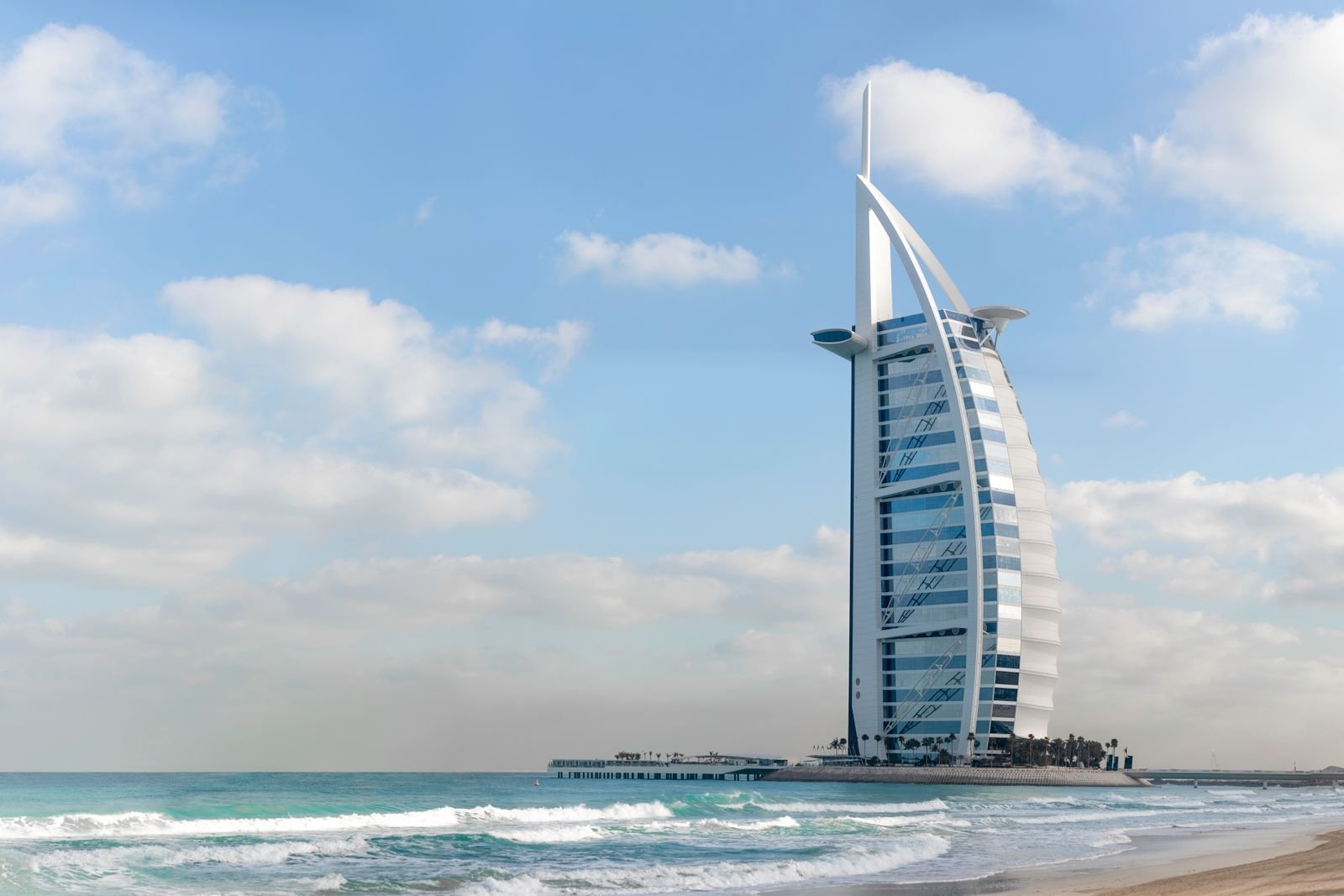
For a Dubai property or experience, we would establish whether the audience is planning a city itinerary, a short stay or a visit built around the property itself. The shot list should reflect that choice. If nearby experiences are part of the story, we check their relationship to the booking and avoid implying that separate attractions are included. We would ask the operator for accurate arrival information and current access arrangements before adding practical captions. A neighbourhood-led story can be useful when the location genuinely affects the stay, but it needs more than an unexplained skyline shot. We would also plan how room, dining and experience content connect to their own destinations. That helps viewers separate the atmosphere of Dubai from the specific experience they can reserve with the business.
Adapting the brief for Abu Dhabi
For an Abu Dhabi hospitality brief, we would clarify the actual setting before writing the story. A city stay, an island property and a wider emirate itinerary should not be presented as interchangeable. If the approved concept includes places such as Yas Island or Saadiyat Island, we check what is part of the property's offer and what requires a separate booking. We would ask the reservations team which arrival and itinerary questions need answering, then build the coverage around those questions. Staff should verify room types, access and activity conditions shown in the film. The aim is a useful introduction to the particular stay, with enough context to help someone continue planning. We avoid promising a complete Abu Dhabi experience from footage of one location.
Adapting the brief for Fujairah
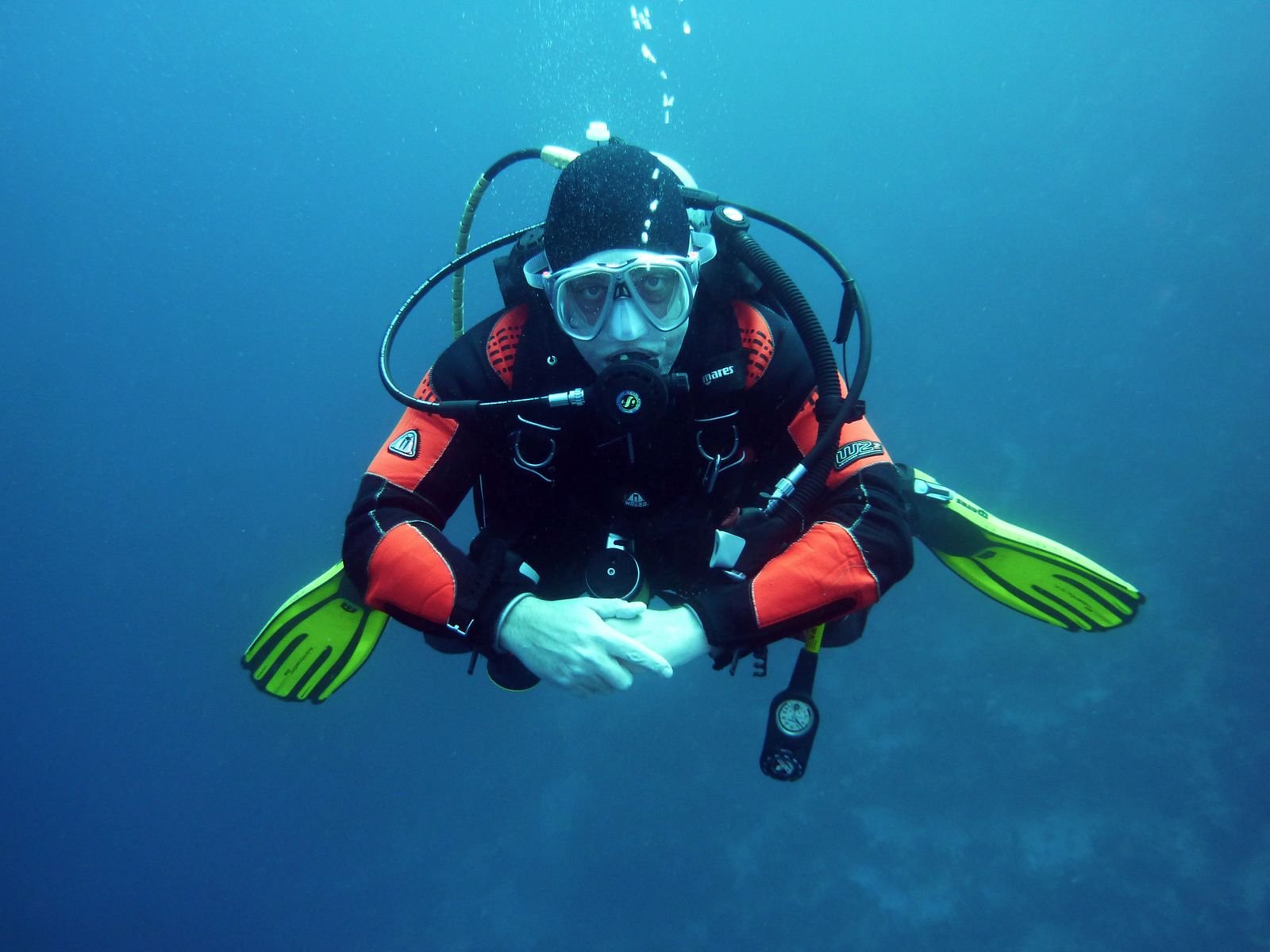
For a Fujairah resort or tourism experience, we would separate a property-led stay from an itinerary that involves additional operators or locations. If the proposed story concerns the coast or a water-based activity, the business needs to confirm what it actually provides and which specialist arrangements apply. We would ask about arrival guidance, activity availability and the right contact for bookings before producing practical captions. Outdoor and water scenes also need suitable alternatives when conditions affect the planned footage. A relaxing visual should not hide the information a guest needs to choose the stay. We would connect the images to the specific room or experience represented and keep optional activities clearly identified. That gives the local content substance beyond a beach montage.
Adapting the brief for Ras Al Khaimah
For a Ras Al Khaimah hospitality campaign, we would ask whether the story centres on the property, an activity or a wider trip. A mountain-led concept and a waterside stay require different information, so the brief should specify the actual setting. We would ask the operator to verify travel guidance, meeting arrangements and which activities are included or separately booked. The production schedule should reflect access to the selected locations and the operation of the property. We would also plan distinct material for room selection and experience research where both matter to the guest. Rather than implying that every visitor wants the same trip, we use the approved offer to define the story. The destination page then supplies the current details the short film cannot carry.
Let’s discuss the brief
At Creative Productions, we bring content, visual storytelling and conversion planning into the same conversation. If you are planning this work in Dubai, tell us about your project. Share the audience, the service or experience you want to explain, your timeframe and the next step you want the content to support. We can then discuss a practical scope based on that brief.