How to Plan a Brand Story Video in Dubai That Gives Customers a Reason to Choose You
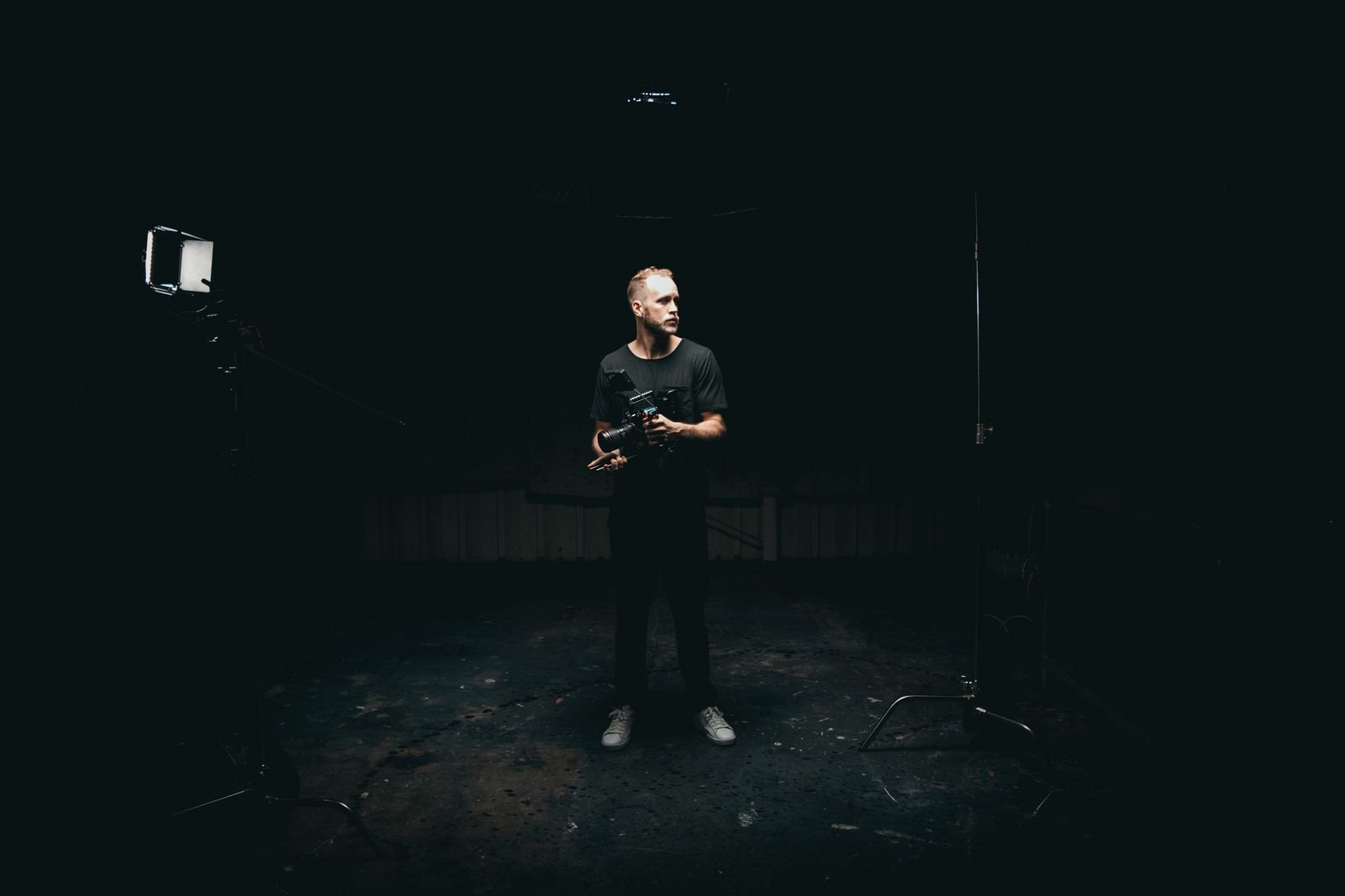
A brand story film should give someone a reason to care about the business behind the logo. We start with a simple question: what can this company show that another company cannot honestly claim? The answer may be a founder's decision, a product detail, a service habit or a problem the team understands particularly well. That gives us a story with evidence, rather than a montage of offices and smiling faces.
Find the decision at the centre of the story
We connect this work to our story and brand direction services, where the creative brief and customer journey are considered together. The relevant service should shape the plan, rather than be added after the content is finished.
We ask who the film needs to persuade and what they are deciding. A procurement team assessing a supplier needs different proof from a family choosing a weekend experience. We write one sentence describing the viewer, their hesitation and the next step we want to make easier. If the business cannot agree on that sentence, we spend more time on the brief before planning shots.
If the central message is still unclear, our guide to brand strategy provides the decisions we would settle before writing the interview prompts.
Then we look for a narrative thread. What was missing in the market? What did the team choose to do differently? What does that choice look like in daily work? We would rather hear a founder describe a difficult trade-off than repeat a statement about excellence. Specific decisions give the audience something to understand and remember.
Ask interview questions that invite real answers
We prepare prompts instead of requiring everyone to memorise a polished speech. Questions about the first customer, a recurring challenge or the detail that the team refuses to compromise on tend to produce more usable material than asking someone to describe the brand in three adjectives. We leave space for follow-up questions and ask the speaker to explain unfamiliar terms.
Interview responses still need verification. We check dates, named achievements and commercial claims with the business before using them. A remembered story can be valuable without becoming a claim about being first, largest or best. We avoid making the film carry a statement the company would struggle to support on its website.
Film the proof alongside the words
If a speaker talks about care, we need to show what care looks like. That might mean preparation before a customer arrives, an inspection step or the way a team member explains a choice. We connect each planned interview point to possible supporting footage. This prevents the edit from relying on attractive but unrelated images.
We also plan sound, transitions and the final destination. A short interview recorded cleanly can carry more meaning than a complicated sequence with poor audio. We ask which people and spaces can be filmed, what should remain confidential and who can approve the rough cut. These practical decisions protect the story as much as the camera choice does.
We turn the agreed story into a practical production plan. Our video production brief guide explains how to define the audience, evidence and deliverables.
Build a film that can work in more than one place
The main film might belong on the website, while individual answers become shorter clips for social posts or sales conversations. We decide those uses before filming so the framing and interview coverage support them. A shortened version needs its own opening and ending; simply cutting the main film in half can remove the point that made it persuasive.
We agree the deliverables, review stages and usage arrangements in writing. If several stakeholders need approval, one person should collect their feedback into a clear list. A change to the business message late in editing can affect the entire structure, so we separate factual corrections from new creative directions.
Connect the story to a business conversation
We do not assume a completed film will find its own audience. We plan where it appears, which page supports it and how a viewer can ask about the relevant service. Useful measures include visits to that page, qualified enquiries and feedback from the sales team. Our aim is a film that helps the right customer recognise the business, understand its value and begin a more informed conversation.
Planning this work in Dubai
For a Dubai business, we would clarify whether the brand needs to speak primarily to local customers, a UAE audience or buyers beyond the country. The location can provide useful context, but it should not replace the company's own reason to be chosen. We would ask which parts of the operation can supply original evidence: the team, process, product or service experience. If the brand works across several languages, we would plan wording that preserves its meaning rather than rely on a slogan that only works in one version. We also ask how the website, sales material and enquiry responses currently describe the offer. That gives us a practical basis for consistency. Dubai belongs in the story where it genuinely helps explain the business, not as a shortcut to suggesting prestige.
Adapting the brief for Abu Dhabi
For an Abu Dhabi brand brief, we would begin with the actual buyer and decision process. If the business sells through relationships, tenders or longer consultations, the content may need to explain capability and process in more depth. If it serves individual customers, the brief may call for a clearer introduction to the experience. We would not assume one communication style fits every business in the emirate. We ask the team which facts and people can support the message, and who needs to approve them. The local story should describe the company's genuine connection to its work and customers. That can shape interview questions, visual evidence and the next step without inventing a heritage narrative or suggesting an office the business does not have.
Adapting the brief for Fujairah
For a Fujairah business, we would ask what the location contributes to the offer and which parts of the story are specific to the company. A local process, supplier relationship or customer need can give the content substance when it is documented. We would avoid using landscape imagery as a replacement for explaining the business. The team should identify people who can describe the work clearly and details we can film with permission. If the company wants to reach customers outside the emirate, we would make the service area and enquiry arrangements understandable. The production visit should capture the evidence needed for that message, with enough preparation to use the available time well. Local relevance comes from a truthful business connection, rather than repeating the city name in every paragraph.
Adapting the brief for Ras Al Khaimah
For a Ras Al Khaimah business, we would separate the brand's own offer from the wider destination story. A company may serve local residents, visiting customers or buyers elsewhere, and those possibilities need checking with the team. We would ask what customers value, which evidence supports the promise and what role the location genuinely plays. If the creative uses a distinctive setting, it should remain connected to the business rather than imply an unrelated tourism experience. We also plan how the message will appear in a proposal, service page and short film so it remains recognisable across channels. The aim is a story that helps the intended customer understand this company, with accurate local context and a practical route to the relevant conversation.
Let’s discuss the brief
At Creative Productions, we bring content, visual storytelling and conversion planning into the same conversation. If you are planning this work in Dubai, tell us about your project. Share the audience, the service or experience you want to explain, your timeframe and the next step you want the content to support. We can then discuss a practical scope based on that brief.